Hey there! I’m a supplier of control cabinets, and I’ve been getting a bunch of questions lately about the role of a human – machine interface (HMI) in a control cabinet. So, I thought I’d put together this blog to break it down for you. Control Cabinet
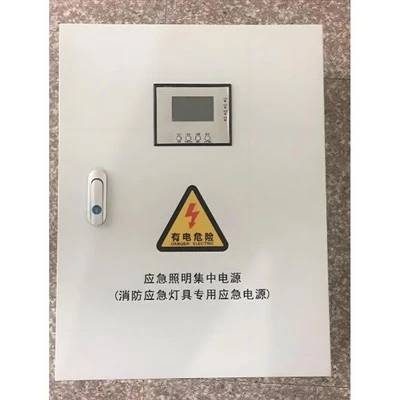
Let’s start by getting a basic understanding of what an HMI is. In simple terms, an HMI is like the bridge between humans and machines. It’s the component that allows operators to interact with the complex control systems inside a control cabinet. You know how you use your phone screen to make calls, take pictures, or play games? Well, an HMI works in a similar way for control cabinets, letting you monitor, control, and adjust different parameters of the machinery connected to it.
One of the most significant functions of an HMI in a control cabinet is monitoring. Picture this: You’ve got a factory full of heavy – duty machinery, all controlled by a series of control cabinets. Each machine has its own set of operational parameters like temperature, pressure, speed, and so on. With an HMI, operators can keep an eye on all these data points in real – time. Instead of having to physically go to each machine and check individual gauges, they can sit at a control station and look at a single HMI screen. This not only saves time but also reduces the chances of human error. For example, if the temperature of a particular machine starts to rise above the normal range, the HMI can display an alert. The operator can then take immediate action to prevent any potential damage to the equipment.
Control is another key function. After monitoring the parameters, operators often need to make adjustments to how the machines operate. The HMI simplifies this process. It provides an intuitive interface where operators can use buttons, sliders, or touch – screen gestures to change settings. Let’s say you’ve got a conveyor belt system in a warehouse. The speed of the conveyor belt might need to be adjusted depending on the volume of goods being transported. With the HMI, an operator can easily increase or decrease the speed by entering the desired value on the screen or using the provided controls. This level of control ensures that the machinery operates at its optimal performance, which in turn can lead to increased productivity and efficiency.
Data logging is also an important aspect. The HMI can record all the operational data of the connected machines over time. This data is incredibly valuable for several reasons. First, it can be used for analysis. By looking at historical data, engineers can identify patterns and trends in machine performance. For example, they might notice that a particular machine tends to slow down during certain shifts or under specific environmental conditions. This information can then be used to optimize the machine’s operation or plan maintenance more effectively. Second, data logging is essential for compliance purposes. In many industries, there are strict regulations regarding machine operation and performance. The logged data can serve as evidence that the machines are being operated within the legal limits.
In terms of usability, HMIs are designed to be as user – friendly as possible. They often feature graphical displays that are easy to understand, even for non – technical operators. Icons, colors, and visual cues are used to represent different functions and data values. For example, a green light might indicate that a machine is operating normally, while a red light could signal an emergency or a malfunction. Some HMIs also support multi – language interfaces, which is great for global operations where employees may speak different languages.
Another cool thing about HMIs in control cabinets is that they can be integrated with other systems. For instance, you can connect the HMI to a plant – wide network or an enterprise resource planning (ERP) system. This integration allows for seamless data flow between different parts of an organization. The data collected by the HMI can be transferred to the ERP system, where it can be used for overall production planning, inventory management, and cost analysis. Conversely, information from the ERP system can be sent back to the HMI, enabling more informed decision – making at the machine level.
From a safety perspective, HMIs play a crucial role. They can be programmed to enforce safety protocols. For example, if a machine is in a hazardous state, the HMI can lock out the control functions until the issue is resolved. It can also provide step – by – step instructions for operators to follow in case of an emergency. This helps to prevent accidents and ensures the well – being of the workers.
Now, you might be wondering about the different types of HMIs available. There are basically two main categories: touch – screen HMIs and button – based HMIs. Touch – screen HMIs are becoming increasingly popular because they offer a more intuitive and interactive experience. They’re similar to using a smartphone, so most operators can quickly get the hang of them. Button – based HMIs, on the other hand, are more traditional. They’re often preferred in environments where the screen may get dirty or where gloves need to be worn, as buttons can be operated more easily in these situations.
When choosing an HMI for a control cabinet, there are a few factors to consider. The size of the screen is important. You’ll need to make sure it’s big enough to display all the necessary information clearly, but not so large that it takes up too much space in the control cabinet. The resolution of the screen also matters. A higher – resolution screen will show sharper images and text, making it easier to read the data. Additionally, you should think about the durability of the HMI. In industrial settings, the HMI may be exposed to harsh conditions such as dust, moisture, or extreme temperatures. So, it needs to be able to withstand these environments without malfunctioning.
As a control cabinet supplier, I can tell you that having a high – quality HMI in your control cabinets can really make a difference. It improves the overall functionality and usability of the cabinets, which can lead to better performance of your machinery and ultimately, increased profitability for your business. If you’re in the market for control cabinets or looking to upgrade your existing ones with a top – notch HMI, I’d love to have a chat with you. Whether you’re running a small workshop or a large – scale manufacturing plant, I can help you find the perfect solution for your needs.

If you’re interested in learning more or discussing a potential purchase, don’t hesitate to reach out. We can have a detailed conversation about your specific requirements and how our products can meet them. Let’s work together to take your operations to the next level!
Control Cabinet References
- "Industrial Human – Machine Interfaces: Principles and Applications"
- "Control Cabinet Design and Installation Guide"
- "HMI Technology Trends in the Manufacturing Industry"
Guangdong Baihao Electric Co., Ltd.
As one of the most professional control cabinet manufacturers and suppliers in China, we also support customized service. Please feel free to wholesale discount control cabinet in stock here from our factory. Quality products and low price are available.
Address: 201, 2nd Floor, Building 3, No.1, Honggang Section, Lihe Road, Lishui Town, Nanhai District, Foshan City
E-mail: jiang_baisi@126.com
WebSite: https://www.gd-baihao888.com/
