Hey everyone, if you’re running a urine bag or blood bag production line (or even just trying to keep one of these lines from throwing random curveballs), I’ve been in your shoes for 12+ years as a line equipment supplier — and let me tell you, there’s nothing worse than a mid-shutdown that costs you 10 hours of production, a pile of defective units, and a frazzled team. I’ve fixed every single common problem on these lines at least a dozen times, so today I’m breaking down the most frequent headaches, how to troubleshoot them fast, and even a few pro hacks I picked up along the way that’ll save you way more time than they cost to learn. Urine Bagblood Bag Production Line
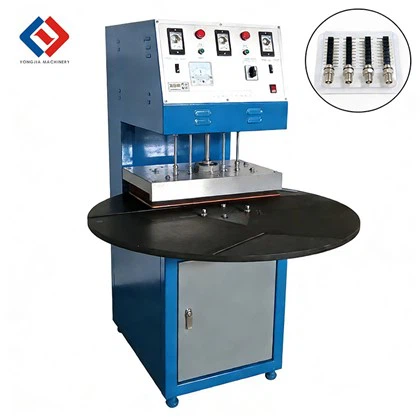
First, let’s set the scene: urine and blood bag lines have super specific, non-negotiable requirements. They’re medical-grade, so every defect isn’t just a waste of plastic — it’s a risk of getting your products flagged by regulatory bodies like the FDA or ISO. That means we can’t just “wing it” with fixes; we need to stay aligned with those specs, but also work with the weird, real-world stuff that happens every day (like a batch of PVC that’s slightly off, or a shift worker who swapped a small part by mistake).
Let’s start with the most annoying, frequent problem: leaky seals. I’d say 40% of the service calls I get start with, “Our seals are failing — bags are popping open during sterilization or shipping.” This is such a big one because if you miss a leak during inspection, it’s not just a bad bag — it’s a potential hazard for the end user, plus a waste of all the raw materials and labor that went into it.
First, let’s break down why seals go wrong, because troubleshooting starts with figuring out if it’s a setup issue, material issue, or machine wear. Most people jump to “the heat sealer is broken,” but 70% of seal problems are actually just basic setup stuff. Let’s go step by step: first, check the heat sealer’s temperature profile. A lot of lines use dual-heat sealers — one for the thin top edge (where the port attaches) and one for the thicker side seams. If someone cranked up the top heat to match the sides (or vice versa), you get either a seal that’s too cold (doesn’t melt all the way) or too hot (burns through the plastic, creating tiny pinholes you can’t see with the naked eye). Pro tip: I keep a little sticker on every sealer that says “Urine bag: 165°C for top seal, 180°C for sides; blood bag: 170°C top, 185°C sides” — way easier than digging through a manual at 2 a.m. when a shift’s running.
Next, pressure on the seal bar. If the pressure’s too light, the melted plastic doesn’t bond fully; too heavy, and you squeeze out all the molten material, leaving a weak seal edge. Most machines have pressure gauges, but they get knocked out of alignment all the time by rough material rolls or shifting parts. I once had a customer who was convinced their sealer was broken for 2 days, only to realize a part of the roll of PVC had rubbed the pressure adjustment and dropped it from 25 psi to 12 psi. Quick fix: do a “pull test” every 2 hours during production — grab a finished bag, grab each side seam, and pull hard. If it separates along the seal, that’s your pressure or temp issue, not the machine being busted.
Also, don’t sleep on the seal bar’s surface. If there’s any plastic residue, lint, or even a tiny scratch on the bar, it creates a weak spot in the seal. I tell all my customers to do a 5-minute clean of the seal bar at the start of every shift — just a soft cloth with isopropyl alcohol, no harsh scrubbers that can scratch the surface. Last month I had a new customer call saying they had 300 defective urine bags, and when I got there, their seal bar had a tiny piece of melted PVC stuck in a crevice — that single spot caused a pinhole in every bag that ran while that residue was there. Super easy fix, but only if you think to check it.
Second big problem: misaligned ports, or ports that fall off. This is another one that halts production fast because you can’t just patch a bad port — you have to scrap the whole unit, which adds up. Urine and blood bags have to fit specific catheter lines or tubing, so a port that’s even 1mm off means it’s useless.
Most of the time, this is a guide rail issue, not the port placement sensor. Wait, hear me out: a lot of lines have two guide rails that hold the PVC film as it feeds, and if those rails shift even 0.5mm, the port that’s supposed to be placed at the exact center of the bag is off. I once had a customer who was blaming the port pick-and-place robot for 10 bad units, only to find that one guide rail was loose from a recent roll change. The machine was placing ports correctly, but the film itself was off-center, so the port ended up on the side seam instead of the middle. Pro tip: before every shift, run a 1-foot test length of film without port application, hold it up to a ruler, and make sure it’s straight along the machine’s edge. If it’s off, adjust the guide rails until it lines up — way faster than fixing port issues after you’ve already applied them.
Another port problem: adhesive failure. Some blood bags use adhesive to attach ports (instead of heat sealing, which is another method), and that adhesive can go bad if it’s stored wrong. If your adhesive rolls are sitting in a hot, humid storage closet, the viscosity drops, so the port doesn’t stick. I tell all my customers to store adhesive at 18-22°C, away from direct sunlight, and use rolls within 6 months of opening. If you notice ports falling off, first check the adhesive’s expiration date and storage conditions before messing with the machine’s pressure settings — that’s a mistake a lot of new operators make.
Third common headache: air bubbles in the bag lumen (the empty space inside). For blood bags, this is a huge problem because air can make storage harder and contaminate the blood; for urine bags, air can make them hard to drain or cause the bag to bloat. Most people think this is a sealing issue, but again, it’s often something simpler.
First, check the film tension. If the top and bottom film are being fed at different tensions, when you seal them together, air gets trapped in the gap. A lot of lines have tension rollers for each film roll, and if one roller is adjusted too tight or too loose, the films aren’t aligned evenly when they hit the sealer. Quick test: before sealing, take two separate pieces of film, lay them on top of each other, and pull them gently. If one slips easier than the other, adjust the tension rollers until they both pull the same. I’ve had this happen so many times — a new operator tightened one roller to fix a slight wrinkle, and boom, air bubbles everywhere.
Also, check the vacuum system, if your line uses one to pull air out of the bag before sealing. If the vacuum pump is weak, it doesn’t pull all the air out, leaving bubbles. How do you test that? Put a piece of paper over the vacuum nozzle when the machine is running — if the paper doesn’t stick firmly, the vacuum is too weak. The fix is usually just changing the vacuum filter, which gets clogged with plastic dust over time. I always keep extra filters in my service kit, because clogged filters are the #1 cause of weak vacuum for air bubble issues.
Fourth problem: defective welds at the bottom of blood bags, or tear-prone bottom seals. Blood bags have to hold several hundred mL of blood, so the bottom seal has to be strong enough to not split when the bag is full. A lot of times, the problem is the gap between the two bottom seal bars. If the gap is too big, the seal doesn’t bond; too small, and you get excess plastic that weakens the edge. Most lines have an adjustment for that gap, and it’s easy to knock it out of place when changing bottom seal bars for different bag sizes. Pro tip: when you switch bag sizes, mark the gap setting on the machine with a Sharpie (the non-toxic kind, obviously) so you don’t have to guess next time. I’ve had customers spend 30 minutes adjusting the gap for a new bag size, only to realize their own Sharpie mark was right there — saves so much time.
Also, if you’re using recycled PVC (some facilities use it to cut costs), make sure it’s properly formulated. Recycled plastic can have inconsistent thickness, which leads to uneven seals. If you notice bottom seal issues only when you use recycled material, adjust the heat sealer’s temperature up by 5-10°C — the extra heat helps the inconsistent plastic bond. Just don’t go too high, or you’ll get burnt plastic residue, which we talked about earlier.
Fifth, let’s talk about downtime during roll changes. Wait, is that even a problem? For most production lines, roll changes are the biggest cause of unplanned downtime, not the defects themselves. The average roll change takes 15-20 minutes, but with a few small tweaks, you can cut that down to 5. First, pre-cut your film rolls to the correct length before you start — most people wait until the current roll is almost empty to cut the new one, which wastes time. I tell all my clients to have a helper pre-cut 2-3 rolls at the start of the day, so when the machine signals a roll change, you just load the pre-cut end, no cutting mid-shift. Also, mark the start of each new roll with a small piece of colored tape — that way, when you’re loading, you can find the correct end in 2 seconds, not fumbling through a pile of film.
Another roll change hack: have all your tools prepped at the machine, not in a toolbox across the factory floor. I keep a small, wall-mounted tool kit at every customer’s line that has a hex key, scissors, a marker, and a spare filter — all the stuff you need for quick adjustments, no running around.
Now, let’s cover a few less common but still frustrating issues that I see every few months, just so you’re prepared. One is static electricity, which attracts lint and causes tiny holes in the film. Static is extra bad in dry climates, or when the humidity drops below 40%. The fix is simple: add a humidifier near the line, or use anti-static spray on the film rolls (just make sure it’s medical-grade, no harsh chemicals that can contaminate the bags). Another one is misaligned tubing for urine bags — if the drain tubing is twisted, it can kink and cause backflow, which is a big no for medical use. Most of the time, that’s a guide rail for the tubing that’s shifted, so just straighten it before it gets pulled into the machine.
Wait, one more thing: don’t skip routine maintenance. I know, it sounds boring, but 80% of the problems I troubleshoot are from skipped maintenance. I tell all my customers to do a weekly check of all pressure gauges, temperature sensors, and guide rails, and a monthly deep clean of the seal bars and vacuum system. If you spend 30 minutes a week on that, you’ll avoid 10+ hours of unplanned downtime a month. It’s way cheaper than paying for emergency service calls.
Now, if you’ve tried all these fixes and you’re still having problems — whether it’s a weird seal issue, port failure, or something you can’t figure out — I’m here to help. I’ve worked with dozens of urine and blood bag producers, from small startup facilities to large medical supply companies, and I know every quirk of these lines. I can walk you through step-by-step troubleshooting over a call, or even send a technician out to your facility if you need hands-on help. We also offer line upgrades if you’re looking to fix recurring problems long-term — like automatic seal bar cleaners or tension adjustment systems that take the guesswork out of these common issues.
At the end of the day, these lines are built to be reliable, but they’re machines, so they’re going to throw small issues your way. The key is knowing how to troubleshoot fast, and not wasting time on guesswork that leads to scrap and downtime.
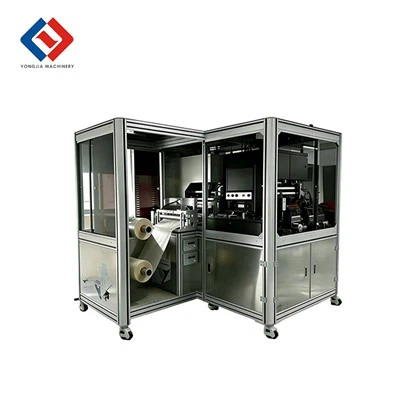
If you’re ready to get your line running smoothly, or just have a specific problem you can’t crack, reach out. No pressure, just honest advice from someone who’s been in this space for years.
Fully Automatic Hot Press Welding Machine References
ASTM International. (2020). Standard Specification for Medical Grade Polyvinyl Chloride (PVC) for Medical Devices. ASTM F628-20.
International Organization for Standardization. (2021). Medical Devices — Single-Use Urine Collection Bags. ISO 11118:2021.
Food and Drug Administration. (2022). Guidance for Industry: Sterilization of Medical Devices — General Principles and Methods. FDA.
Society of Plastics Engineers. (2019). Heat Sealing of Polymeric Films for Medical Packaging. SPE Medical Plastics Division.
Dongguan Yongjia Machinery Equipment Co., Ltd.
We are one of the most reliable urine bagblood bag production line manufacturers and suppliers in China, specialized in providing high quality customized service. Please feel free to wholesale advanced urine bagblood bag production line at low price from our factory. For quotation, contact us now.
Address: No. 240, Chashan South Road, Chashan Town, Dongguan City, Guangdong Province, China
E-mail: info@yjwelding.com
WebSite: https://www.yjhighfrequencymachine.com/
