Hey there, if you’re anything like most of the foundries and machine shops I work with, you’ve probably dealt with way too many bad castings ruining a job—right after you took them out of storage, that is. I’m not here to yell at anyone, but let’s be real: I’ve seen first-hand how careless storage turns a perfectly good, machined-ready steel casting into a rusty, pitted mess that’s fit only for the scrap bin. I’ve been supplying castings for almost 10 years now, and I can’t tell you how many calls I get from panicking customers saying, “Your castings showed up fine, but now they’re garbage two months later.” 9 times out of 10? They stored them like a random pile of old car parts in a warehouse corner. Today, I’m breaking down exactly how to store castings properly, from small aluminum parts to heavy gray iron blocks, no fancy lab equipment required—just common sense that actually works. Castings
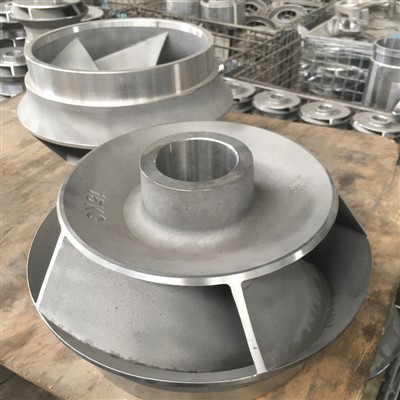
First off, let’s talk about the biggest villain in casting storage: moisture. 90% of the problems I get blamed on “bad castings” are actually moisture-related. Iron, steel, even aluminum—all of ‘em hate sitting in damp air. Wait, aluminum? Yeah, I know you’re thinking, “Aluminum doesn’t rust!” But it does corrode, just in a different way. That chalky white powdery stuff you see on aluminum? That’s aluminum oxide, and if it’s bad enough, it’ll mess up your paint or coating before you even get to apply it. Steel and cast iron? They turn into rust, obviously, and once that rust starts eating into the surface, you either have to grind it off (wasting time and money) or throw the whole part away. So step one: stop letting moisture touch your castings in the first place.
But wait, not all moisture is the same. I’ve heard people say “just keep ‘em dry” like it’s that simple. No, humidity matters way more than you think. The sweet spot for almost all castings is 40-50% relative humidity. Any higher than that, and you’re asking for trouble—even if you don’t see a puddle. In the summer, if your warehouse is near a river or gets super humid, that humidity will sneak into stacks fast. I had a customer last year in Florida who stored his castings on the concrete floor of his shop for three weeks. By the time he checked, the bottom of every steel casting had rust blisters from the concrete’s moisture wicking right up. Concrete is porous, y’all—don’t set anything that can rust directly on it, ever. That’s rule number one I drill into every new customer I talk to.
So what do you set ‘em on? Pallets, obviously, but not just any pallets. Wooden pallets work, but only if they’re dry. If you get a pallet fresh from the lumber yard that’s still damp? That’s basically a sponge for your castings. My go-to? Plastic pallets or metal skids. They don’t hold moisture, they’re easy to clean, and they lift off the floor enough that air can circulate underneath. If plastic or metal isn’t an option, just make sure wooden pallets are fully cured and dry—maybe leave them outside in the sun for a day first if they look even a little damp. Also, keep the castings at least 6 inches off the ground, no exceptions. That way, if there’s a spill, or the floor is even slightly damp from mopping, it doesn’t reach the parts.
Next up: how you stack ‘em is almost as important as how you store ‘em. I’ve seen people stack castings like Jenga—heavy parts on top of small ones, sharp edges digging into other parts, nothing wrapped, nothing separated. That’s a disaster waiting to happen. First, weight distribution: heavy castings (like large engine blocks or machine tool bases) go at the bottom, light, delicate parts on top. No way around that, if you don’t want a 500-pound casting crushing a small valve casting and ruining both. Second, separation: if you’re stacking two castings next to each other, put a barrier between ‘em. Cardboard, craft paper, even old pallets cut into pieces work. Why? Because two metal surfaces rubbing together creates tiny scratches, which are perfect spots for rust to start. Also, if a part has sharp edges—like a cast gear tooth or a cutting blade—they’ll gouge the surface of the casting next to it, leaving a mark you can’t machine out. Trust me, I’ve had to replace hundreds of dollars worth of parts because of that.
Wait, and never stack castings directly on top of a bare metal surface either. Even if it’s the same type of metal, the moisture that builds up between two touching surfaces is trapped, and that’s where corrosion starts. I learned that the hard way early in my career—we sent a batch of stainless steel flange castings to a job that had been sitting in their metal rack for a month, and half of them had pinhole rust spots right where they rested on the rack bars. Cost me a few re-casts, but I fixed the process, and now I pass that lesson along to everyone.
Now, wrapping and covering. This is where most people cut corners, and it shows. If you’re storing castings for less than a month, you can get away with a thin coat of light oil—like the kind you use for tools—just wipe it on with a rag, then wipe off the excess. Too much oil will make a mess when you go to machine them, so don’t slather it on. But if you’re storing them for longer than a month, or if your area is super humid, you need proper wrapping. Not just a garbage bag, either. Garbage bags trap moisture and turn into a greenhouse for rust. I recommend VCI (volatile corrosion inhibitor) film or paper. VCI stuff is magic— it releases a tiny, harmless chemical that creates a barrier between the metal and the air, so you don’t have to oil them up, and it doesn’t leave a residue you have to clean off later. Most of the foundries I work with use VCI film for long-term storage, and it’s worth every extra cent. For large castings that are too big to wrap whole, you can just drape VCI paper over the top, but make sure the edges are sealed tight—tape them down so no damp air gets in.
Wait, what about castings that have already been machined? Like if you send a customer a raw casting, they machine part of it, and then store the unfinished machined surface for a while? Same rule applies, but even stricter. Machined surfaces have no extra “skin” like raw castings do, so they corrode way faster. I’ve seen a machined steel shaft go from perfect to rusted in 10 days in a damp garage. If it’s a machined surface, either wrap it individually in VCI paper, or put it in a sealed bin with a VCI pad inside. Don’t just leave it on a shelf exposed.
Another thing: labeling and organizing. I know it seems trivial, but if you mix up a batch of castings and leave them sitting for months while you look for a specific part, that’s just more time they’re exposed. Organize your storage by type, by delivery date, by job number. FIFO, right? First In, First Out. Use the castings that arrived first, so you don’t have old parts sitting around for years. I had one customer who had a pile of castings from 2019 still sitting in his back storage—when he finally used them, half were rusted so bad he couldn’t machine them. He lost $12k on that batch, all because he never used the old parts first. Now I put a big date stamp on every shipment, and I tell all my customers to do the same.
What about different types of castings? This isn’t one-size-fits-all. Let’s break it down quick, because each metal has its own needs. Gray iron and ductile iron—these are the ones that rust the easiest, so they need the most protection. Don’t skimp on the VCI wrap, and keep their humidity super low—40% max if you can. Steel castings (carbon steel, alloy steel) are similar to iron, a little more resistant but still prone to rust. Again, moisture is your enemy here. Aluminum castings—like I said earlier, they don’t rust, but they do get that white corrosion. Aluminum is also sensitive to high pH or high alkaline environments, so don’t store them near concrete that has a lot of lime, or near cleaning chemicals. Copper and brass castings? They tarnish, not rust, but tarnish can mess up finishes too. For those, just a light coat of wax or a thin VCI wrap works, and they’re fine.
Wait, and what about indoor vs outdoor storage? A lot of small shops don’t have climate-controlled warehouses, so they have to store some castings outside. If that’s you, don’t leave them exposed to the elements. Even if you cover them with a tarp, that tarp will hold moisture against the castings if it’s not sealed tight. I’ve seen tarps billow in the rain, collect water, and drip right onto a pile of castings for weeks. If you have to store castings outside, put them on a slope of plastic pallets, cover them with a heavy-duty, UV-resistant tarp, and run a line of tape around the edges to seal it. Also, check them every week—if a tear or a puddle forms under the tarp, fix it immediately. No exceptions.
Let’s talk about common mistakes I see all the time, just to make sure you don’t fall for ‘em. First, storing castings near chemicals or cleaning supplies. Even a bottle of degreaser next to your casting pile can let fumes in that corrode metal over time. Second, not checking on your castings. If you have a pile of parts, look at them every month, especially if the weather changes. I had a customer in Ohio who had a bad spell of heavy rain in the spring—when he checked his castings, a few had small rust spots, and he was able to re-wrap them before it got worse, instead of realizing 6 months later that the whole batch was ruined. Third, overcrowding. Don’t stack castings so tight that there’s no air circulation. Air needs to flow between parts to carry away moisture, and if they’re crammed together, that moisture gets stuck.
Wait, another big one: don’t repair or modify a part, then store it for later. If you machine a casting, or grind off a sprue (the extra metal at the top of a casting, right?), do that right before you use it. The fresh exposed metal from machining or grinding is way more reactive, and will corrode faster than raw cast metal. I can’t tell you how many times someone says, “I’ll machine these next week” and then puts them on the shelf for two months. By the time they get around to it, the machined surface is ruined.
Let me wrap this up with a quick, actionable checklist, because I know most people don’t want to read a novel and then have to figure out what to do next. Here’s the short version, no fluff: 1. Keep all castings at least 6 inches off the ground, on plastic/metal pallets (dry wooden pallets only if that’s your only option). 2. Maintain 40-50% relative humidity in your storage space. 3. Stack heavy parts at the bottom, light at the top, separate each casting with cardboard/paper, no direct metal-to-metal contact. 4. Wrap parts with VCI film/paper for storage over a month, light oil for short-term storage. 5. Use FIFO: use the oldest castings first, date stamp every shipment. 6. Check on your castings monthly, especially after big weather changes. 7. If storing outside, seal them with a UV-resistant tarp, on a slope, and inspect regularly.
Look, I get it—storage isn’t the most exciting part of being a metal shop owner or a manufacturer. You want to get castings in, machine them, ship them out, make money. But bad storage kills profits faster than any machining error or shipping delay I can think of. I’ve been doing this for 10 years, so I’ve seen every mistake in the book. Now, when I send castings to a new customer, I include that little storage checklist in the box, free of charge. Most people laugh at first, until they call me three months later saying, “Your tip saved my whole batch.”

If you’re tired of wasting money on ruined castings, or you need reliable, high-quality castings to begin with, hit me up to chat about your project. No pressure, just real talk about what works for your shop, no gimmicks. I’ve been in this long enough to know that good parts start with good storage, and good suppliers understand that too.
Fan Impeller References:
- The American Foundry Society. (2021). Guidelines for Storage and Handling of Ferrous and Non-Ferrous Castings.
- Corrosion Doctors. (2022). Common Corrosion Issues in Metal Storage Facilities.
- Metal Casting Institute. (2020). Long-Term Preservation of Machined and Raw Cast Components.
- Occupational Safety and Health Administration (OSHA). (2019). General Storage Practices for Industrial Metal Products.
- NACE International. (2021). Corrosion Control Guidelines for Metal Storage and Warehousing.
Shandong Shunye Stainless Steel Co., Ltd.
Shandong Shunye Stainless Steel Co., Ltd. is one of the most professional castings manufacturers and suppliers in China, also supports customized service. Welcome to buy bulk cheap castings made in China here and get quotation from our factory. For price consultation, contact us.
Address: Shandong Province, Binzhou City, Wudi County, Liubao Town, Zhangdong Road, Duliucun Village
E-mail: sales@wdshunye.com
WebSite: https://www.shunyecasting.com/
