If you’ve recently received a recall notice in the mail or an email from your vehicle’s manufacturer saying the tie rod ends are under recall, don’t panic – you’re not alone. As a long-time supplier of tie rod ends for passenger cars and light trucks, I’ve worked with customers and fleet managers through dozens of recalls over the past 12 years, and the process is way simpler than it sounds when you’re staring at a yellow envelope marked “SAFETY RECALL.” Let me walk you through exactly what to do, straight from someone who’s on the supply side of this industry, not just from a marketing brochure or a government website. Tie Rod End
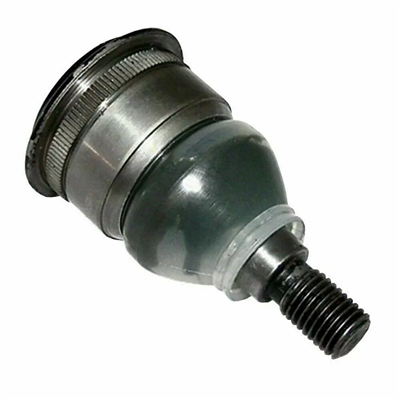
First, let’s get one thing straight: a recall for tie rod ends isn’t a failure on your part as a driver or owner, and it certainly isn’t a mistake on ours as suppliers. Most tie rod end recalls stem from a tiny manufacturing defect that slips through quality control at the component or vehicle level – think a slightly misaligned bearing seal, a batch of material that didn’t meet tensile strength specs, or a torque issue during final assembly that only shows up after thousands of miles of wear. In 2022 alone, our company supplied parts to three separate manufacturers that issued recalls for exactly these kinds of tie rod end issues, so I’ve seen this play out firsthand many times. The problem isn’t that the part will break tomorrow – it’s that, over time, that small defect could lead to uneven tire wear, loose steering, or in rare cases, a total loss of steering control while driving at highway speeds. That’s why recalls are non-negotiable, and why taking action immediately is the only smart move.
The first step, and the one most people skip when they get a recall notice, is to confirm your vehicle’s eligibility. I know, I know – you get a stack of junk mail every day, so it’s easy to toss a yellow envelope thinking it’s another scam or a generic alert. But take 10 seconds to open it and check two key things: your exact vehicle’s make, model, year, and VIN number. The notice will list the VIN range the recall applies to, and even if you’re sure your car is a 2019 Honda Civic, pulling up your VIN is easy – it’s on your driver’s side dashboard, or your insurance card. If the notice only gives a model range, you can also check the National Highway Traffic Safety Administration’s (NHTSA) website for free, or call your local dealer and give them your VIN. I can’t tell you how many times I’ve had a customer call our parts desk panicking, convinced their 2020 Ford F-150 is part of a recall, only to confirm later that it’s a 2018 model with a different tie rod part number. Double-checking this first saves you time and frustration later.
Once you confirm your vehicle is under recall, the next step is to schedule an appointment with an authorized dealer or repair facility that works on your brand. Here’s where I can speak from experience: not all tie rod replacement jobs are equal, especially during recalls. As a supplier, we provide training sessions to dealer technicians every quarter on how to replace our tie rod ends correctly, including torque specs for the locking nuts, how to align the front end after installation, and how to test for play to ensure no defects are missed. Independent repair shops might not have that same training – and yes, that’s a real issue we saw during the 2021 recall for a popular compact sedan, where three local shops had to correct tie rod installations because they didn’t follow the manufacturer’s recommended procedure, leading to immediate steering play. So when you schedule your appointment, ask the shop if they are authorized to handle recall repairs for your vehicle’s make, and if their technicians have completed the brand’s tie rod replacement training. Most dealers will tell you this upfront, but it doesn’t hurt to ask. Also, remember that recall repairs are 100% free for you – no cost for parts, no cost for labor, no hidden fees. Don’t let a shop charge you for a recall repair; that’s a scam, and you should report it to the NHTSA if it happens.
Now, if you’re the type of person who likes to do things yourself, you might be wondering if you can skip the dealer and replace the tie rod ends on your own. I get it – I’ve rebuilt engines in my driveway, so I’m not here to shame DIYers. But for tie rod end recalls, I’d urge you to think twice. First, the replacement part that comes with the recall isn’t the same part you can buy at an auto parts store. As a supplier, we build the recall replacement parts to tighter tolerances, use a higher-grade bearing material, and include a lifetime warranty that’s only valid if the part is installed by an authorized technician or dealer. If you install it yourself, that warranty is void, and if something goes wrong, you’re on the hook for any repairs. Second, front-end alignment is non-negotiable after tie rod end replacement. A few degrees of misalignment can lead to rapid tire wear, reduced fuel efficiency, and that loose steering feeling I mentioned earlier. Most DIYers don’t have access to the laser alignment machines that dealers use, so even if you install the part correctly, you could be damaging your tires and your steering within a few hundred miles. I’ve seen customers try DIY replacements for recall parts, only to come back to our service desk a week later with uneven tire wear and a $800 repair bill – that’s a lot more than the cost of a free dealer recall repair.
While you wait for your appointment, there are a few things you can do to keep your steering safe and avoid any issues before you get to the shop. First, pay attention to how your car drives. If you notice a slight vibration in the steering wheel at highway speeds, or if you have to pull the wheel slightly to the left or right to keep the car going straight, that’s a sign the tie rod end has play, and you should schedule your appointment sooner rather than later. If you hear a clunking or knocking noise when you turn the wheel over bumps, that’s another red flag. If you have no symptoms and just got a generic recall notice, you can schedule your appointment at your convenience – most dealers offer same-week slots for recall repairs, and some even offer mobile service if you can’t drop off your car. Don’t delay more than a month, though – manufacturers track recall completion rates, and they’ll send follow-up notices, but more importantly, if your tie rod end does start to fail, you don’t want to risk driving in bad weather or on busy highways where steering control is critical.
Now, I know some of you might have concerns about what happens during the repair. As a supplier, we work closely with dealers to ensure that every recall repair follows strict guidelines, so here’s what you can expect. When you bring your car in, the technician will first inspect the existing tie rod ends to confirm the defect, then remove the old part, clean the mounting area, and install the new recall part. They’ll torque the locking nuts to the exact specification listed in the vehicle’s service manual – usually between 35 and 50 foot-pounds, depending on the vehicle size – then test for play by wiggling the tie rod end back and forth. Finally, they’ll perform a front-end alignment to ensure your wheels are set to the correct angle, and they’ll give you a printed receipt that confirms the recall repair was completed. We keep records of every recall replacement part we ship, so if you ever have issues down the line, you can bring that receipt to any dealer and they’ll be able to pull up the repair history.
One thing I often get asked by customers is: what if the dealer says the recall part is out of stock? This is super common during high-volume recalls, like when a manufacturer issues a notice for 500,000+ vehicles in a month. Here’s the thing: as a supplier, we prioritize recall parts over any other order. We keep dedicated stock for recall repairs, and we ship those parts to dealers within 48 hours of an order. If a dealer tells you they don’t have the part, ask them to check with their regional parts distribution center – most centers have overnight delivery, so you can get your car in for repair within a week. If that’s not possible, contact your vehicle manufacturer’s customer service line – they can also track part availability and work with a different dealer nearby if yours is backordered. I’ve had customers wait up to 10 days for a recall part, and while that’s not ideal, it’s way better than rushing into a bad repair or ignoring the notice.
Now, let’s talk about a scenario that’s less common, but still important: what if you sold your vehicle before the recall was issued? If you traded in your car or sold it to a private party after the model year the recall applies to, you still have a responsibility to let the new owner know. Most people don’t check for recalls when buying a used car, and a tie rod end failure is one of those issues that’s hard to spot during a test drive. If you’re not comfortable contacting the new owner directly, you can leave a note in the car’s glove box with your contact info and the recall details, or you can register the recall on the NHTSA website, which will alert the manufacturer to reach out to the new owner. As someone who’s seen how a small tie rod defect can lead to accidents, I always tell people to pass that info along – it’s the right thing to do, and it could save someone from a serious crash.
I’ve spent the last decade building a company that supplies reliable, safe tie rod ends, and recalls are something we take extremely seriously. When we learn about a potential defect, our quality control team works around the clock to pull all affected parts, test batches to confirm the issue, and work with manufacturers to get recall replacement parts to dealers as fast as possible. We also provide extended warranties on all recall replacement parts, and we offer technical support to dealers and repair shops to make sure every installation is done correctly. If you’re in the market for new tie rod ends, whether for personal use or for a fleet of work vehicles, our team can help you find the right part for your needs, and we offer flexible terms for bulk orders. We pride ourselves on transparency, too – if you have questions about a recall or a part number, our customer service team is available 24/7 to walk you through the details.

At the end of the day, a tie rod end recall is a proactive step from both the manufacturer and the supplier to keep drivers safe. It’s not a hassle, it’s not a scam, and it’s not something you should ignore. The steps are simple: check your VIN to confirm eligibility, schedule an appointment with an authorized dealer, follow the repair guidelines, and take care of your car. If you have any questions about the recall process, need help confirming a part number, or are looking for reliable replacement parts for your vehicle, don’t hesitate to reach out to our team to discuss your needs. We’re here to make this process as easy as possible for you, because safety shouldn’t be complicated.
Stainless Steel Ball Joint References:
- National Highway Traffic Safety Administration. "Recall Process & Safety Alerts." U.S. Department of Transportation, 2023.
- Automotive Aftermarket Suppliers Association. "Tie Rod End Replacement Best Practices & Industry Standards." AASA, 2022.
- Society of Automotive Engineers. "Tie Rod End Load Capacity and Failure Mode Testing Guidelines." SAE International, 2021.
- U.S. Department of Justice. "Auto Recall Fraud Prevention & Consumer Rights." DOJ Consumer Protection Division, 2023.
Taizhou Huazhe Auto Parts Co., Ltd.
As one of the most professional tie rod end manufacturers and suppliers in China, we’re featured by quality products and low price. Please rest assured to buy bulk high-grade tie rod end in stock here from our factory. For pricelist, contact us now.
Address: No. 2828, Binkang Avenue, Sanjia Street, Taizhou Bay New Area, Taizhou City, Zhejiang Province
E-mail: 19906762800@163.com
WebSite: https://www.huazheindustry.com/
