Hey everyone, let’s cut to the chase – if you’re a woman who’s ever spent time shopping for ski suits, you’ve definitely stared at those tiny, confusing tags on the inside that say things like “5k mm waterproof” or “10k g breathability” and gone, “Wait, do these even work?” As the owner of a women’s ski suit brand that’s been cranking out gear for over 8 years now, I get so many questions from customers (and even other skiers) about whether our women’s ski suits actually have that waterproof membrane everyone’s talking about. Today I’m breaking it down real, no fancy jargon, just the stuff we actually deal with behind the scenes at our workshop. Women Ski Suit
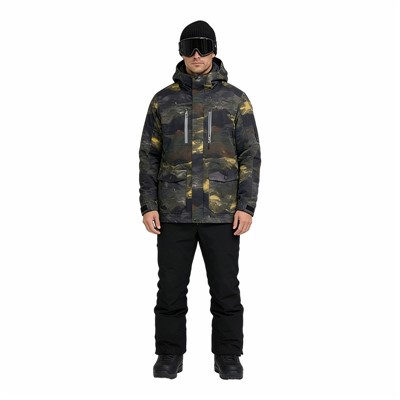
First off, let’s get the basics straight because this is where a lot of misinformation gets spread. For anyone who’s not super deep into outdoor gear tech, a waterproof membrane is basically this super thin, microscopic layer stuck between the outer fabric and the inner lining of a ski suit. Think of it like a tiny, see-through mesh that’s designed to do two main jobs: keep water (like snow melt, powdery slush, or that random cup of hot cocoa you dumped on your lap on the lift) from seeping in, and let your sweat escape so you don’t end up a soggy, cold mess mid-run. Simple enough, right? But here’s the thing – not all women’s ski suits have a membrane. And if you’re buying cheap, fast-fashion gear (we’ve all been tempted by those $50 suits at big box stores, I won’t lie), there’s a solid chance yours doesn’t. That’s the stuff that’ll leave you shivering through the après-ski when you hit a patch of ice and your pants go from dry to damp in 10 seconds flat.
Let me walk you through why we decided to put membranes in every single women’s ski suit we make. Early on, when I first launched the brand back in 2015, I made a huge mistake. I wanted to keep prices low to compete with all the new brands popping up, so I sourced a “water-resistant” suit for my first line that didn’t have a membrane. I thought, “Water-resistant means it’s fine for casual days, right?” Wrong. We had a customer come back to us just a week after launch, saying she’d spent a weekend at Breckenridge, hit a deep powder stash, and ended up with wet thighs so bad she had to cut her trip short. That feedback stung – not just because I’d messed up, but because every female skier I know doesn’t just ski for a few hours; we spend all day on the mountain, hiking up backcountry slopes, sitting on cold chairs, even waiting in lift lines for 20 minutes. We need gear that works hard as much as we do.
Now, not all membranes are created equal, and that’s another point I get so many questions about. At our workshop, we use two main types, depending on the suit line. For our entry-level women’s ski suits (the ones perfect for casual weekend skiers or anyone just learning), we use a polyurethane (PU) membrane. It’s super durable, pretty affordable, and works awesome for temperatures down to like 20 degrees F. It’s not the most breathable on the market, but for someone who’s just starting out and not pushing their body super hard, it’s perfect. We also treat the outer fabric with a Durable Water Repellent (DWR) coating, which is that shiny, water-beading stuff you see on new gear – it’s not the membrane, but it’s a key part of keeping water out before it even has a chance to get through the tiny gaps in the outer fabric.
For our mid-range and pro-level women’s ski suits (the gear our team and a lot of our backcountry skiers swear by), we use a polyester-based ePTFE membrane. Wait, what’s ePTFE? It’s basically the same stuff they use in Gore-Tex (shoutout to Gore for making the tech everyone trusts) – it’s got millions of tiny pores, each like 10,000 times smaller than a water droplet, but 700 times bigger than a sweat vapor molecule. That means snow can’t get in, but your body heat and sweat can get out. A lot of people ask if we use Gore-Tex specifically, and here’s the answer: we don’t have an official partnership, but we use the same ePTFE membrane that’s tested to the same exact standards. We’d rather pass the savings on to our customers than pay for the brand name, and honestly, most of our customers can’t tell the difference – they just know their suits keep them dry even in a whiteout.
But let’s get real about something everyone avoids: membranes can fail. No, that’s not a flaw in the tech – that’s wear and tear, and how you take care of your suit. A lot of people think if their old ski suit is now letting water in, the membrane is “broken.” Most of the time, it’s not – it’s the DWR coating that’s worn off. The DWR is the first line of defense, so if you’re using harsh detergents (like regular laundry soap, which has enzymes that eat away at DWR), or if you’re rubbing your suit on tree branches or rocks (guilty, I’ve done that more times than I can count), the DWR stops working. That’s when water starts soaking into the outer fabric and then seeping through, making it feel like the membrane is bad. The fix? You can reapply a DWR spray pretty easily – we even recommend it to all our customers, and we sell them for cheap on our site.
Another common question: do all women’s ski suits need a membrane? Let’s be honest – if you’re just going for a single day of skiing at a resort in 40-degree weather, and you don’t care about backcountry runs or sitting in snow all day, a membrane might be overkill. But for the majority of female skiers, especially anyone who’s skiing regularly or in temperatures below freezing, a membrane is non-negotiable. Think about it: when you’re skiing, you’re working out – your body is sweating a lot, even if you don’t realize it. If that sweat can’t escape, it gets trapped against your skin, and when you stop moving, it turns cold. That’s way worse than a little water getting in. The membrane solves that whole problem.
I also want to address the one group that gets overlooked when it comes to ski gear: plus-size female skiers. When we first expanded our size range to go up to 3XL, we worried we’d have to cut corners on the membrane to keep prices fair. But nope – every single one of our women’s ski suits, from size XS to 3XL, has the same membrane tech as our smaller sizes. We saw so many plus-size skiers complaining that all the big brands either didn’t make suits in their size, or the ones they did had cheap, thin membranes that fell apart after a few uses. We refused to do that – everyone deserves gear that works, no matter their size.
Now, let’s talk about the myths that drive me crazy. I hear all the time that “membranes make you sweat more” – that’s just not true, especially with the good ePTFE ones. I’ve been testing our suits for 8 years now, and I’ve never had a problem where my sweat can’t escape. The key is matching the membrane to the activity: if you’re a casual skier, the PU membrane works fine; if you’re a backcountry hiker, you want the more breathable ePTFE one. Another myth: “all membranes are the same” – totally false. A 5k mm membrane (that’s the waterproof rating) means it’s tested to hold 5,000 mm of water pressure, which is like being under 5 feet of water. A 10k mm membrane is twice that, perfect for deep powder or heavy snow. Breathability is measured in g per square meter per day, so 10k g is way more breathable than 5k g. We label every single suit clearly, so you know exactly what you’re getting – no hidden fine print.
Let me give you a real example of how this works. Last winter, we had a customer email us saying her entry-level women’s ski suit kept her dry for two full days of powder at Jackson Hole, even when she was falling a lot in deep snow. She was shocked, because her old suit (from a big brand) had gotten wet after one run. That’s the membrane doing its job. And another customer, a pro skier who does backcountry tours, told us our mid-range suit was the first one that kept her dry and not sweating through at the same time on 6-hour hikes up the mountain. That’s the ePTFE membrane in action – the kind of stuff we design every suit to deliver.
I also want to mention how we test our membranes. No, we don’t just trust what the suppliers say – we do our own in-house tests. We take each new membrane sample, attach it to a test panel, spray it with a high-pressure hose for 30 minutes straight, and then check if any water gets through. We also test breathability by wearing a suit for a full day of skiing and monitoring how we feel (I lead most of these tests, so trust me when I say I’m not afraid to push myself on the mountain). If a membrane doesn’t pass our tests, we toss it and find another one – simple as that. We’ve only had to switch membrane suppliers once in 8 years, and that was because we found a better one that was more durable and more breathable, without raising prices.
Now, let’s get to the part that matters most for you – what does this mean when you’re shopping for a women’s ski suit? If you’re holding a suit and you want to check if it has a membrane, here are a few quick tricks. First, check the product description. If the brand mentions waterproof technology, has a waterproof rating (mm) or breathability rating (g), that’s a good sign they have a membrane. If it just says “water-resistant” and doesn’t have any of those numbers, it probably doesn’t. Second, feel the inside. A suit with a membrane will have a subtle, almost imperceptible “hand feel” – not sticky, not overly smooth, just a little layer between the outer fabric and the inner lining. If it feels like the outer fabric and inner lining are glued directly together with no extra layer, it’s probably missing a membrane.
And let’s be clear about why we put so much effort into this. As a woman who skis, I’ve spent way too many days wet, cold, and miserable because of bad ski gear. I’ve had suits that ripped, suits that let water in, suits that were way too expensive for what they did. So when I started this brand, my promise was simple: every women’s ski suit we make is built for female skiers, by female skiers, with the tech we actually need. That means membranes in every single suit, no exceptions, no cutting corners to save a buck. We don’t make gear for guys and call it a women’s version – we design suits that fit our bodies (shorter torsos, wider hips, better mobility in the arms for lifting poles), and we build the tech that works for our days on the mountain.
Now, if you’re reading this and you’re in the market for a new women’s ski suit, or you have questions about whether our suits have the membrane tech you need, I want you to know we’re here to help. We don’t do pushy sales stuff – just honest answers. We know every skier’s needs are different: some of you ski once a month, some of you are on the mountain every weekend, some of you do backcountry tours and some stick to the resort. We can help you pick the right line, the right size, the right membrane tech for your style. And if you already have a suit that’s letting water in, and you think it’s the membrane, hit us up too – we’ll walk you through how to test it, or how to reapply DWR if that’s the issue.
At the end of the day, the whole point of a ski suit is to keep you comfortable and focused on having fun on the slopes, not shivering through a lift line or worrying about your suit falling apart. That’s why membranes are such a game-changer for women’s ski suits – they’re the unsung hero that keeps us dry, warm, and able to ski hard all day. We’ve spent 8 years perfecting this, testing every membrane, working with female skiers to get feedback, and making sure every suit we send out is built to last.

If you want to chat more about membranes, suit fit, or anything else ski-related, just reach out. We’re not a huge corporate brand with a 10-person customer service team – it’s just us, a small team of skiers, answering questions, helping you find the right gear, and making sure you have the best time on the mountain. Don’t settle for a women’s ski suit that skimps on the membrane – your days on the slopes are worth more than that. Let’s make sure you’re prepared for whatever the mountain throws at you, whether that’s a powder day, a slushy day, or a random hot cocoa spill.
Women Ski Suit References
- Outdoor Industry Association. (2022). Women’s Ski and Snowboard Gear Trends: Membrane Technology Adoption.
- Gore Technical Materials. (2021). ePTFE Membrane Performance for Winter Apparel.
- International Organization for Standardization (ISO). (2019). Standard Test Methods for Water Vapor Transmission of Materials (ISO 11092) and Water Resistance of Textiles (ISO 811).
- European Outdoor Group. (2020). DWR Coating Degradation and Maintenance for Outdoor Apparel.
Onroad Sportswear Co., Ltd.
We’re well-known as one of the leading women ski suit manufacturers in China, featured by quality products and good service. Please feel free to buy customized women ski suit made in China here from our factory. Also, samples are available.
Address: No. 501, A Block, Longtian Industry Area, Shilong, Dongguan, Guangdong, PRC. China
E-mail: Tracy.yi@onroad-sports.com
WebSite: https://www.orsoutdoor.com/
