Can I use MTB TPU Tubes for freeride mountain biking?
As a supplier of MTB TPU tubes, I often get asked whether these tubes are suitable for freeride mountain biking. Freeride mountain biking is an exhilarating discipline that combines elements of downhill riding, jumps, and technical maneuvers. It demands a high – performance and reliable setup, and the choice of tubes is a crucial part of that. In this blog, I’ll delve into the characteristics of MTB TPU tubes and evaluate their viability for freeride mountain biking. MTB TPU Tubes
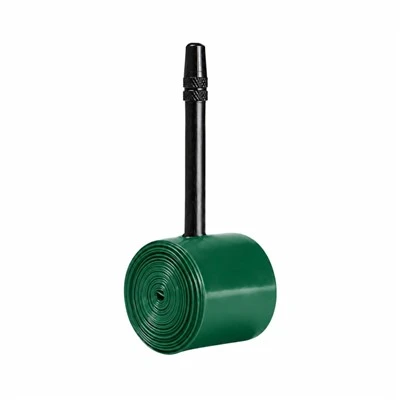
Understanding MTB TPU Tubes
TPU, or thermoplastic polyurethane, is a material that has gained significant popularity in the cycling industry over recent years. MTB TPU tubes are made from this material, offering a unique set of properties compared to traditional butyl rubber tubes.
One of the most notable advantages of TPU tubes is their lightweight nature. TPU is inherently lighter than butyl rubber. For a typical mountain bike tube, a TPU version can be around 30 – 50% lighter. In freeride mountain biking, where every gram counts, especially when it comes to components that rotate, a lighter tube can contribute to quicker acceleration, easier handling, and less fatigue during long rides.
Another key benefit is the high elasticity of TPU. This material allows the tube to stretch more easily without losing its shape. When you’re hitting jumps and drops in freeride, the tires experience rapid changes in pressure and shape. The TPU tube’s elasticity enables it to adapt to these changes more smoothly than a butyl tube. It reduces the risk of pinch flats, which are a common problem in mountain biking, especially when landing hard on rough terrain.
TPU tubes also have excellent air retention properties. They can hold air pressure for a much longer time compared to butyl tubes. This is extremely beneficial for freeride riders who may not have the luxury of constantly stopping to check and inflate their tires. With a TPU tube, you can set your desired pressure and be confident that it will remain stable for an extended period, providing consistent performance on the trail.
Challenges in Freeride Mountain Biking
Freeride mountain biking presents several challenges that need to be considered when choosing tubes. The high – impact nature of the sport means that tubes are subjected to extreme forces. When you’re dropping off large ledges or landing from big jumps, the tires and tubes experience sudden and intense pressure spikes. These forces can cause the tube to rupture or develop leaks if it’s not up to the task.
The rough and unpredictable terrain of freeride trails is another factor. Rocks, roots, and sharp debris can puncture the tube. Additionally, the constant flexing and bending of the tire as it navigates through technical sections can put stress on the tube. A tube that is not durable enough may develop weak spots over time, leading to flats.
Assessing TPU Tubes for Freeride
When it comes to withstanding high – impact forces, TPU tubes have shown promising performance. Their high elasticity allows them to absorb and distribute the shock of landings more effectively. The material’s ability to stretch without tearing means that it can handle the sudden changes in pressure during jumps and drops. However, it’s important to note that while TPU is strong, it may not be as resistant to punctures as some other materials.
In terms of durability on rough terrain, TPU tubes have a mixed record. On one hand, their flexibility can help them conform to the shape of obstacles, reducing the likelihood of punctures. On the other hand, sharp objects can still penetrate the TPU material. However, many modern TPU tubes are now being engineered with additional layers or coatings to enhance their puncture resistance.
The air retention property of TPU tubes is a significant advantage in freeride. Since riders often have to cover long distances on the trail, and the action can be fast – paced, having a tube that holds air well means less downtime for inflation. This allows you to focus more on the ride and less on maintaining your tires.
Compatibility with Freeride Bike Setups
Freeride bikes typically have wider tires and lower tire pressures compared to other types of mountain bikes. This setup provides more traction and stability on rough terrain. MTB TPU tubes are generally available in a wide range of sizes to accommodate different tire widths. They can be used with both traditional clincher tires and tubeless – ready tires, giving freeride riders more options when it comes to their setup.
If you’re using a tubeless – ready tire with a TPU tube, you can still enjoy some of the benefits of tubeless systems, such as reduced rolling resistance and better traction, while having the added security of a tube. This hybrid setup can be a great compromise for freeride riders who want the best of both worlds.
Maintenance and Long – Term Use
Maintaining MTB TPU tubes is relatively straightforward. They require the same basic care as butyl tubes, such as regular pressure checks and proper inflation. However, due to their better air retention, you won’t have to check the pressure as frequently.
In the long – term, TPU tubes can be a cost – effective option. Although they may be more expensive upfront compared to butyl tubes, their durability and reduced need for frequent replacements can offset the initial cost. Additionally, if you take good care of your TPU tubes, they can last for a significant amount of riding time.
Considerations for Freeride Riders
Before deciding to use MTB TPU tubes for freeride mountain biking, there are a few things you should consider. Firstly, assess your riding style and the type of freeride trails you typically ride on. If you’re a hardcore rider who frequently hits large jumps and drops on rough, rocky terrain, you may need to pay extra attention to the puncture resistance of the TPU tubes you choose. Look for products with reinforced layers or anti – puncture technology.
Secondly, consider your budget. While TPU tubes offer many advantages, they can be more expensive than traditional butyl tubes. However, if you value the weight savings, air retention, and performance benefits they provide, the investment may be worth it.
Finally, it’s a good idea to test out TPU tubes on a few rides before fully committing to them. This will give you a better sense of how they perform in real – world freeride conditions and whether they meet your needs.
Conclusion

So, can you use MTB TPU tubes for freeride mountain biking? The answer is a resounding yes. These tubes offer a range of benefits, including lightweight construction, high elasticity, and excellent air retention, which make them well – suited for the demands of freeride. While they do have some limitations, such as potentially lower puncture resistance, modern engineering and design have addressed many of these issues.
Gravel TPU Tubes If you’re a freeride rider looking to enhance your bike’s performance and reliability, I encourage you to consider MTB TPU tubes. As a supplier, I’m confident that our products can meet the needs of even the most demanding freeride enthusiasts. If you’re interested in purchasing our MTB TPU tubes or would like to discuss your specific requirements, feel free to reach out. We’re here to help you make the right choice for your freeride adventures.
References
- "The Science of Cycling Tubes" – Cycling Mechanics Journal
- "Advanced Materials in Mountain Biking" – Mountain Bike Research Group
- "Freeride Mountain Biking Techniques and Equipment" – Freeride Magazine
TUBENOX
As one of the most professional MTB TPU tubes manufacturers and suppliers in China, we’re featured by quality products and good service. Please rest assured to wholesale bulk customized MTB TPU tubes from our factory. If you have any enquiry about free sample, please feel free to email us.
Address: No. 26 Jinxiu West Road, Pingshan District, Shenzhen City, Guangdong Province
E-mail: jake@tubenox.com
WebSite: https://www.tubenox.com/
