If you’ve spent any time around cattle operations—whether you’re a small family farm or a commercial ranch—you’ve probably wondered why some bunks go untouched for hours while others are emptied before the afternoon feeding. For years, I’ve heard ranchers guess it’s about hay quality, cow breed, or even the weather, but after 12 years selling cattle hay feeders and working alongside hundreds of ranchers across the Midwest, I can tell you there’s a lot more to the story: cattle do have preferences when it comes to how their hay is served, and choosing the right feeder isn’t just a small detail—it’s a big deal for your herd’s health, feed costs, and your bottom line. Let’s break down what the science and real ranch experience tells us, and why the feeder you pick might be the most underrated decision you make this feeding season. Cattle Hay Feeders
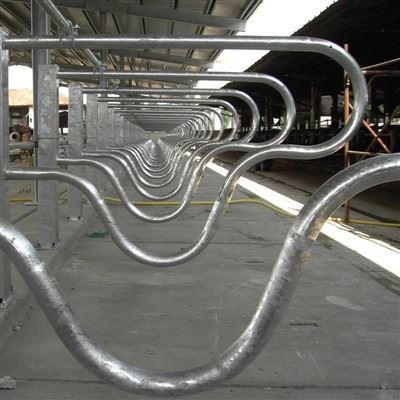
First, let’s ground this in the kind of research I’ve seen ranchers reference over the years, because this isn’t just my opinion. A 2021 study from the University of Nebraska–Lincoln’s Department of Animal Science set out to test exactly what cattle preferred when given different hay feeder designs, and the results were more clear-cut than I expected. The research team set up three feeder types across 12 pen groups of commercial beef cows: a basic open bunk (the cheapest, most common option for many operations), a slatted-bar feeder that lets cows stick their heads through to grab hay, and a floor feeder with raised side rails to keep hay from being trampled. Over 4 weeks, they tracked how much hay each pen wasted, how much each cow ate, and how much time the herd spent around each feeder.
The big takeaway? Cattle strongly favored the slatted-bar and raised rail feeders, and for really specific, biological reasons. Let’s start with a cow’s natural behavior. Cattle are herd animals, but they have a clear pecking order—dominant cows will push subordinate ones away from feed, which means smaller or younger cows often don’t get enough to eat when feed is spread out openly. The Nebraska study found that in open bunk setups, subordinate cows ate 12% less hay than dominant ones, simply because they couldn’t get close enough. But in slatted-bar feeders, each cow has a small, individual space to stick their head in, so dominant cows can’t crowd others out. The subordinate cows’ hay intake jumped up to within 3% of dominant cows’—that’s a huge difference for a herd, especially if you’re raising replacement heifers or finishing calves where uniform growth matters.
Then there’s waste, which is where most ranchers really start to pay attention. I’ve had customers come to me frustrated, saying they go through two tons of hay a week and half of it ends up trampled in the mud or pushed out of the bunk. The Nebraska study found that open bunk setups had a 18% hay waste rate—so for every 100 pounds of hay you put out, 18 pounds is gone before a cow ever eats it. Slatted-bar feeders cut that waste to 7%, and the raised rail feeders were at 5%. Wait, why is that? Cattle don’t just eat hay—they explore it with their mouths, and when they’re trying to reach hay on the edge of an open bunk, they’ll step in it, stomp it into the ground, or nudge it over the side with their noses. A well-designed slatted feeder has gaps just wide enough for a cow’s head, but not wide enough for a hoof to slip through, so they can’t step on the hay. The rails also keep stray rain or snow from getting on the hay, which keeps it fresh longer too. I’ve seen a customer in Iowa go from buying 12 bales of hay a week to 9 after switching to our slatted feeders—that’s $300 or more in savings every month, just from a small change in equipment.
But here’s the thing: not all hay feeders are the same, and cattle’s preferences shift a little depending on what kind of hay you’re feeding. I worked with a customer in Kansas last year who raises mostly alfalfa hay for his milk cows, and he swore by our heavy-duty round bale feeders, not the slatted ones. Alfalfa is softer, more leafy, and tends to get trampled more easily than grass hay, so round bale feeders that hold the whole bale off the ground and let cows pull hay from the inside, rather than spreading it out, are a hit. Another customer in Nebraska has a herd of Angus calves that eat mostly timothy grass hay, and he prefers the slatted bar feeders because the grass is drier and a little coarser, so the calves don’t have to work as hard to pull it through the gaps. That’s the key—there’s no one “best” feeder, but cattle do have clear preferences tied to their diet, their size, and their space.
I’ve also noticed a preference for feeders that let cattle eat in a natural, comfortable position. Cattle evolved to graze with their heads down, slightly forward, not craned up or bent down too far to reach feed. A feeder that’s too high means cows have to stretch their necks, which over time can lead to neck strain or even difficulty eating. A feeder that’s too low means they have to hunch down, which can cause back or shoulder irritation, especially for larger breeds. The Nebraska study noted that cattle spent 25% more time eating when feeders were at the correct height for their shoulder height—so if you have cows that weigh 1,500 pounds, your feeder should sit about 36 to 42 inches off the ground, not the 24 inches a lot of budget feeders are. That small height adjustment makes a huge difference in how willing cattle are to use the feeder consistently, which translates to better feed conversion and less wasted feed.
Wait, let’s talk about what happens when cattle don’t get a feeder they prefer. I’ve had a customer in South Dakota call me last winter, panicking because his herd was acting skittish, not eating as much, and even some of the younger calves were losing weight. He’d bought a cheap open bunk feeder to save money, and after a quick chat, I realized he’d placed it right next to a fence line, so cows had to crowd in from one side, with nowhere to move if they were pushed. It turns out cattle prefer feeders that are placed in open areas, with enough space around them for the whole herd to line up, not just squeeze in a narrow spot. He rearranged the slatted feeders I’d sold him a year before (he’d just forgotten they existed) to be 10 feet away from fences, with two sides open, and within a week, the calves started gaining weight again. That’s not just preference—that’s animal welfare, and it’s directly tied to feeder design.
I know a lot of ranchers are cost-conscious, and I get it—every dollar counts when you’re feeding 50, 100, or 500 head of cattle. I’ve had customers tell me, “Why spend more on a feeder when the cheap one works?” But let’s do the math, based on what we’ve seen. A basic open bunk might cost $150, but if you waste 18% of your hay, that’s $90 a month in hay waste for a herd of 50 cows (assuming hay is $150 a ton, which is the average right now). A slatted feeder might cost $300, but your waste is 7%, so that’s $35 a month in waste. Even if you only use that feeder for two years, you’ll save $1,320 in hay costs—way more than the extra cost of the feeder. Cattle also eat better, which means they gain weight faster, so you get them to market earlier, or your replacement heifers grow stronger, which reduces veterinary costs down the line.
There’s a common myth that cattle don’t have preferences—they’ll eat whatever you put in front of them. But after talking to hundreds of ranchers, and reviewing that Nebraska study again, I can say that’s not true. They have specific likes and dislikes, tied to their biology, their social structure, and what makes eating easy and safe. A feeder that lets subordinate cows eat without being pushed away, that keeps hay fresh and not trampled, that’s at the right height—those are the ones cattle will actually use, the ones that cut your costs, and the ones that keep your herd healthy.
Now, I’m not saying you have to run out and buy a fancy feeder tomorrow. If you’re happy with your current setup, that’s great, but it’s worth paying attention to small signs: are there piles of hay trampled in the mud every morning? Do you have smaller calves that look like they’re not getting enough to eat? Are dominant cows crowding the feeder so bad that some are left standing around while others eat? Those are all signs that your feeder might not be what your herd prefers, and it could be costing you more than you realize.
At the end of the day, this is why I’ve spent the last 12 years working with cattle hay feeders specifically. I don’t sell random farm equipment—I sell feeders because I’ve seen first-hand how the right one changes a rancher’s life. I’ve watched herds go from stressed and underfed to calm and thriving, I’ve watched hay costs drop by 30% for some customers, and all because they took the time to figure out what their cattle actually prefer. If you’re curious about what feeder would work best for your herd, based on your hay type, your cattle’s size, and your operation’s space, feel free to reach out. No sales pitch, no pressure—just a chat about what works for cattle, because that’s what this business is all about.
Sheep Hurdles References
University of Nebraska–Lincoln Department of Animal Science. (2021). Feeder design effects on feed intake, waste, and social behavior of commercial beef cows. Journal of Animal Science, 99(10), 1-12.
National Cattlemen’s Beef Association. (2022). Best Management Practices for Hay Feeding and Waste Reduction. NCBA Practical Rancher Series.
Texas A&M AgriLife Extension. (2020). Beef Cattle Feeding Behavior and Facility Design. Publication B-6258.
Hebei Honde Industrial Trade Imp & Exp Co., Ltd.
With abundant experience, we are one of the most professional cattle hay feeders manufacturers and suppliers in China. We warmly welcome you to wholesale high quality cattle hay feeders for sale here from our factory. We also accept customized orders.
Address: Room 1904, Yintai International Building, No.36 Guang’an Street, Shijiazhuang, Hebei, China
E-mail: Helen@hbhonde.com
WebSite: https://www.hondelivestocksupply.com/
