Let’s talk about something that’s been on my mind lately—snack boxes. As someone who’s spent the last five years curating snack boxes for offices, schools, and community groups, I’ve learned that the best part of a good snack isn’t just the taste. It’s sharing it. Whether you’re passing a pack of dried mango to a coworker mid-afternoon, setting out a box for your kid’s soccer team, or planning a corporate break room refresh, the way you share a snack box makes all the difference. Too often, people think it’s just about putting snacks in a box and calling it a day—but I’m here to tell you, there’s a science to it. And as a supplier, I’ve tested every step of this process with hundreds of clients, so let me break down what I’ve learned. Snack Box
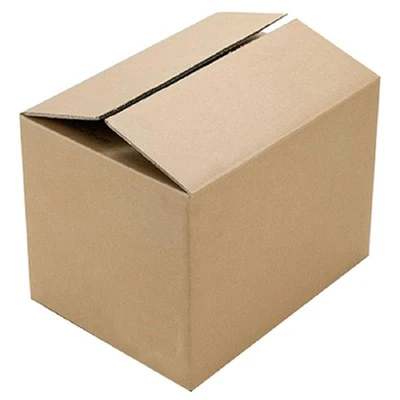
First, let’s start with the most basic rule: know your audience. I once got a frantic call from a small marketing agency that ordered a bulk snack box for their team only to find 80% of the items were nut-based. One of their designers was severely allergic to nuts, and another intern was gluten-free—they’d completely missed the mark. That mistake taught me that sharing a snack box isn’t one-size-fits-all. You need to ask: who will be opening this box? Are there dietary restrictions? Are these snacks for kids, adults, or a mix? Do they prefer savory over sweet, or something in between? For example, a elementary school’s snack box needs to be peanut-free, low in added sugar, and easy for little hands to hold. A corporate box might want a mix of protein-packed options (like jerky or protein bars) and lighter treats (rice cakes, fruit cups) to keep energy levels steady through back-to-back meetings. Last quarter, I worked with a local high school’s student council, and they wanted a snack box for their after-school study sessions. We curated it with vegan brownies, apple slices with individual peanut butter packs (labeled clearly with ingredients), and cheddar rice crackers—everything was pre-portioned, allergy-friendly, and easy to grab while flipping through a textbook. It went over so well that they re-ordered twice in two months. The key here is to survey your group first. Even a quick 3-question poll (dietary needs, flavor preferences, portion size) can save you from a lot of frustration (and maybe a trip to the emergency room).
Next, portioning is everything. Nothing kills a good snack share like a handful of pretzels left in a crumpled bag, or a giant cookie that leaves everyone fighting over crumbs. I’ve found that individual portioning is non-negotiable for groups. When you make a snack box with single-serve packs, it eliminates waste, makes grabbing a snack fast, and avoids cross-contamination for people with allergies. I remember a corporate client that used to buy bulk bags of chips and candy for their break room. By the end of the day, half the bags were open, sticky, and stale. We switched them to pre-portioned packs—each with a 1-ounce bag of chips, a granola bar, and a piece of dried fruit. Within a week, their snack waste dropped by 60%, and employees reported feeling more satisfied because they didn’t overeat or have to deal with messy open bags. Portioning also helps with budgeting. If you know exactly how many people you’re serving, you can calculate exactly how much of each item to include, so you don’t overspend on extra snacks that will go to waste. For a party or a small gathering, you might skip individual packs and use larger, shareable containers—but even then, it’s good to split items into smaller bowls so everyone doesn’t have to dive into a giant bag. For example, if you have a bowl of popcorn, split it into three small bowls instead of one big one. That way, no one has to reach over the whole group, and the popcorn stays fresh longer.
Then there’s the art of mixing flavors and textures. A snack box that’s all sweet or all salty gets boring fast. Think about the balance: salty, sweet, crunchy, creamy, chewy. I like to call this the “snack harmony.” When I’m putting together a box for a client, I always mix different flavors so there’s something for everyone, but also so people can try new combinations. For example, a good mix might be a salted caramel rice cake (sweet and crunchy), a pack of wasabi peas (salty and spicy), a handful of dried cranberries (sweet and chewy), and a mini cheese stick (creamy and savory). This balance keeps things interesting, and it means no one feels stuck with a snack they hate. Last year, I worked with a family that was bringing snack boxes to a summer camp for their kids and their friends. Their 10-year-old loved spicy snacks, their 7-year-old only ate sweet things, and their teen nephew was into savory, protein-packed snacks. We put together boxes that had a few different small options: some with goldfish crackers and fruit snacks for the youngest, some with jerky and mini pretzels for the teen, and a middle ground with the salted caramel rice cake and cranberries for everyone. The parents told me that for the first time, all the kids shared snacks without fighting over what was “yucky.” Mixing textures also makes snacks more fun. Crunchy items (nuts, chips, crackers) contrast nicely with soft or chewy items (dried fruit, granola bars, rice cakes), so each bite feels different. Don’t be afraid to throw in a little something unexpected either. I once added a pack of mini dark chocolate-covered pretzels to a corporate box, and it was the first item to disappear. People loved the sweet-salty twist, and it made the box feel special, not just basic.
Labeling and transparency are non-negotiable, especially when sharing with groups. I can’t stress this enough. Every single item in the snack box needs a clear label with ingredients, allergen information, and even the name of the snack. This isn’t just helpful for people with allergies—it helps everyone make informed choices. A few months ago, a client had a visitor from overseas who was kosher, and they’d ordered a snack box without labels. The visitor didn’t eat half the items because they couldn’t tell which ones were kosher. After that, we added a standardized label to every box: it lists the snack name, main ingredients, top allergens (nuts, dairy, gluten, soy), and any dietary claims (vegan, gluten-free, kosher). We also make sure the labels are big enough to read from a distance, so people don’t have to hold a tiny bag up to their face to see what’s inside. For bulk containers (like a bowl of nuts), we use a small sign next to it with the same information. This transparency builds trust. When people know exactly what they’re eating, they’re more likely to participate in sharing the snacks. I’ve had clients tell us that their employees feel safer using our snack boxes because of the clear labeling, and that makes them order more. It’s a small step, but it makes a huge difference in how comfortable people are sharing.
Handling the logistics of the box is another part I’ve had to master. How do you pack the snacks so they don’t get crushed? How do you keep them fresh until they’re shared? For pre-portioned boxes, I always pack them with a layer of padding at the bottom (like tissue paper or bubble wrap) and arrange the items so the crunchy ones (like chips) are on top of softer items (like granola bars) to prevent them from breaking. For snack boxes that are being shipped to a client, we use insulated packaging in the summer to keep chocolate and yogurt cups from melting, and we include ice packs if needed. We also add a small insert with a quick guide to the snacks, so if there are any special items (like vegan treats or allergen-free options), clients can see at a glance. I once had a client in Florida order a large snack box for a conference in July. The first time we shipped it, we didn’t use enough insulation, and the dark chocolate bars melted into a mess. We switched to thick insulated boxes and added two ice packs, and the next order arrived perfectly. That mistake taught me that the way you handle the box before it’s shared is just as important as what’s inside. If snacks are stale or broken when they arrive, people won’t want to share them—even if the items are good.
Now, let’s talk about fostering community through snack sharing. A snack box isn’t just a collection of food—it’s a way to bring people together. When you set out a snack box at work, school, or a gathering, it creates a small, casual moment of connection. I’ve seen this firsthand: at a tech startup we work with, the break room snack box is where people from different departments chat. A software engineer might grab a pack of tea with a designer who’s grabbing a granola bar, and they end up talking about a project together. At after-school programs, kids bond over trading snacks (as long as they’re allergy-approved, of course). That’s why we don’t just sell snack boxes—we help clients use them as a tool to build community. When you share a snack box well, you’re not just giving people food. You’re giving them a chance to pause, connect, and enjoy a small moment together.
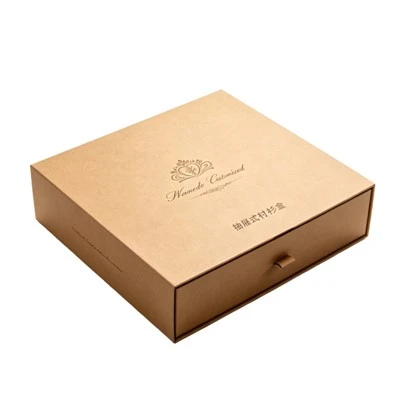
I’ve learned over the years that the best snack boxes are ones that are thought through, intentional, and tailored to the people who will use them. It’s not about buying the most expensive or fancy snacks—it’s about making sure everyone can participate, that the snacks are fresh and easy to grab, that there’s a good mix of flavors, and that everyone knows what they’re eating. As a snack box supplier, my goal is to help you create those moments. Whether you’re ordering for a small office, a school, a community group, or a family gathering, we work with you to customize every part of the box to fit your needs—from dietary restrictions to portion sizes to flavor preferences.
Snack Box If you’re looking to add a shared snack box to your space, or you want to refresh your current one, I’d love to help. We’ve got experience working with groups of all sizes, and we can create a custom box that fits your budget, your audience, and your goals for sharing. Just reach out to our team to start a conversation about what you need.
References
- National Resource Center for Health and Safety in Child Care and Early Education. (2021). Nutrition and Physical Activity Guidelines for Early Care and Education. Retrieved from relevant public health archives
- International Food Information Council Foundation. (2022). Consumer Attitudes Toward Food Allergen Labeling and Transparency.
- U.S. Environmental Protection Agency. (2023). Food Waste Reduction Strategies for Workplaces and Community Spaces.
Dongguan Jinying Printing Co., Ltd.
As one of the most experienced snack box manufacturers and suppliers in China and Vietnam, we also support custom service and OEM service. Welcome to buy bulk luxury snack box at competitive price from our factory. If you have any enquiry about cooperation, please feel free to email us.
Address: No. 5, 1st Road, Jingshan Third Industrial Zone, Chashan Town, Dongguan City, Guangdong Province
E-mail: inquiry@dg-jinying.com
WebSite: https://www.gpspacking.com/
