If you’ve ever spent a late-night Friday binging your favorite sci-fi trilogy, or endured the final 20 minutes of a tense live sports playoff while hunching over a rickety couch, you’ve probably daydreamed about swapping your living room seating for something that actually matches the vibe of your content. As someone who’s spent the last 8 years sourcing, testing, and refining gaming chairs for people who want more out of their seating, one question I get asked at least once a week is: “Can I use a gaming chair in a home theater?” Gaming Chair
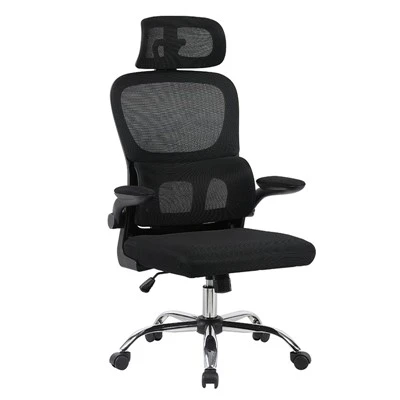
For years, the short answer would have been a qualified “maybe.” Back when gaming chairs were just overpriced office chairs with neon logos, their lack of lumbar support, weirdly contoured shape, and bulky frame made them a no-go for anything longer than a 2-hour game session, let alone a 3-hour movie. But that was before we started paying attention to how people actually use their spaces—before home theaters stopped being luxury add-ons for movie theaters and became the go-to spot for everything from work meetings to birthday watch parties. Today, the answer is a resounding yes—if you pick the right chair, and use it the right way. Let me break this down, from what makes a great home theater seat, to how gaming chairs measure up, to the mistakes people make when mixing the two.
First, let’s get one thing straight: home theater seating has a very specific job to do, and it’s not just looking cool. A good home theater chair isn’t just a place to sit—it’s engineered for immersive viewing and all-day comfort, with ergonomics tailored to the unique way we sit during long content sessions. Let’s talk about the non-negotiables for home theater use, and how modern gaming chairs check (or fail) each box.
Ergonomics are the big one. When you’re watching a movie, your spine is in a very specific position: slightly reclined, your feet up, your head tilted back just enough to see the whole screen without craning your neck. Poor ergonomics here lead to neck strain, lower back pain, and even restless nights after a long watch. Traditional home theater seating often has adjustable lumbar support, padded neck rolls, and contouring that matches the natural S-shape of your spine. Now, compare that to a mid-range gaming chair of 5 years ago—most only had a single lumbar pillow that slid up and down, was way too firm, and never actually stayed in place. The neck support? Usually a afterthought, a thin foam cushion that would flatten in 6 months of use.
But here’s the game changer (pun very intended): modern gaming chairs have evolved a lot. The chairs we design for our customers now come with multi-layered lumbar support that adjusts to your spine’s curve, not just a one-size-fits-all pillow. We use high-density cold-cure foam in the backrest, which stays supportive even after 10+ hours of use, no sinking or flattening like cheap couch foam. Many also have adjustable neck rolls—some magnetic, so they don’t slide around mid-movie—and 4D armrests that move up, down, forward, backward, and side to side. That’s a huge deal for home theater use: if you’re pausing to grab popcorn, or leaning forward to watch a tense scene, you can adjust your armrests without hunching or straining.
Next, viewing angle and space. One of the biggest rules of home theater design is that your seat should be positioned so your eyes are level with the top third of the screen, and you don’t have to turn your neck to see the edges. Recline is key here. Most home theater seats recline between 110 and 160 degrees, which is the sweet spot for watching content without slouching. Gaming chairs? We’ve been building chairs that recline up to 180 degrees for years—many even have a built-in footrest that pops out when you recline. That’s perfect for curling up with a blanket during a long fantasy series, or even taking a quick nap between act breaks. But the catch here is space. Traditional home theater seating is often low-profile, designed to fit in rows with minimal clearance. Gaming chairs, especially the higher-end models, are bulkier. The base of the chair (the five-pointed star that holds the wheels) is wider than most home theater seat bases, so you need to account for extra space when arranging your home theater. If your room is small (under 12×15 feet), a standard gaming chair might be too wide to fit comfortably without crowding. But if you have a mid-sized or large home theater, that extra width is rarely a problem—plus, many brands now make compact gaming chairs specifically for smaller spaces, with narrower bases and slimmer backrests.
Another big factor: material and durability. Home theater seats take a beating. They get spilled on (popcorn butter, soda, wine), they get sat on by kids and pets, they get moved around when you rearrange the room. Gaming chairs, especially the ones made for heavy use, use materials that are designed to withstand that. Most of our chairs use premium PU leather, which is water-resistant, easy to wipe clean, and far more durable than the fabric used in most traditional home theater seats. We test our PU leather to withstand over 100,000 rubs (that’s like sitting on it every day for 10 years) without fading or peeling. For people with kids or pets, that’s a huge win. And if you prefer a softer surface, many gaming chairs now come with top-grain leather options, which are just as durable, feel more luxurious, and age better than fabric. Of course, if you’re someone who loves that cozy fabric feel, you can get gaming chairs with breathable mesh backs, which are great for hot summer nights when you don’t want to be sweating through your seat.
Wait, but what about that bulky, ugly look? I get it. A lot of people think gaming chairs are covered in neon RGB lights, have loud logos, and look totally out of place in a home theater that’s styled to look like a movie theater. That was true 10 years ago. But today, many gaming chair brands make models that are designed to blend in, not stand out. We have several lines that come in neutral colors: black, gray, brown, even dark blue or green. No neon, no loud logos—just clean, sleek lines that look like a high-end home theater seat. Some models even have optional side panels that you can customize, if you want a subtle logo that doesn’t scream “gaming.” If you’re going for a more traditional home theater vibe, look for gaming chairs with rounded edges and padded armrests that don’t have sharp angles. The key here is to pick a chair that matches the color scheme of your room—most brands offer fabric swatches or custom options now, so you can match your chair to your couch or your wall paint.
But before you run out and buy the first gaming chair you see, there are some big mistakes people make when using gaming chairs in home theaters that you need to avoid. First, size. Don’t buy a chair that’s too big for your body or your room. A lot of gamers love oversized chairs, but if you’re only 5’2”, a 300-pound capacity chair with a 22-inch seat width will be too wide, and you won’t get the ergonomic support you need. We always recommend measuring your hip width (stand with your feet shoulder-width apart, measure the widest part of your hips) and adding 2 inches to get the right seat width. For most people, that’s 18-20 inches. For your room, measure the space where you want to put the chair, leaving at least 18 inches of clearance behind the backrest for reclining, and 12 inches in front for the footrest. If you don’t have that space, a gaming chair might not be the best fit.
Second, don’t skip the footrest. A lot of people forget that home theater seating is meant for putting your feet up. A gaming chair without a built-in footrest is fine for gaming, but for watching a 3-hour movie, you’ll be sitting with your feet on the floor, which strains your lower back over time. The good news is that almost all modern gaming chairs have either a built-in footrest that folds out from the base, or you can add an external footrest that’s made specifically for gaming chairs. Just make sure the footrest is padded enough—thin plastic footrests are uncomfortable after an hour.
Third, don’t forget about noise. This is a bigger issue than you might think. A lot of budget gaming chairs have cheap plastic bases that creak and squeak when you recline, which is not ideal during a quiet dramatic scene in your movie. When you’re testing a gaming chair for home theater use, sit in it, recline it all the way, and listen for any creaks, squeaks, or rattles. If you hear any, put it back. We use reinforced metal bases in all our mid and high-range chairs, so they’re quiet even when you’re reclining at full speed, and we test every chair for noise before it leaves our warehouse.
Another thing to consider: features. Do you want a chair that has built-in speakers? A lot of home theater seating has subwoofers built into the backrest for immersive sound. Many gaming chairs also have Bluetooth speakers built into the headrest, or even subwoofers in the lumbar support. That’s a huge perk if you want a more immersive movie experience, without having to add extra speakers to your room. Some even have vibration motors that sync to the audio, so you feel the bass of explosions or the rumble of thunder in a movie. Of course, not everyone wants that—if you prefer a more traditional home theater experience, you can skip the extra features and get a basic ergonomic gaming chair.
So, when is a gaming chair not a good fit for a home theater? Let’s be real, it’s not for everyone. If you have a very small home theater (under 10×12 feet), and you need to fit multiple seats, a gaming chair might be too bulky compared to slim home theater seats. If you’re looking for a chair that looks super traditional, like something you’d see in a luxury movie theater, a gaming chair’s frame might not have the same polished look as a high-end home theater seat. And if you only watch movies for an hour or two a week, and mostly use your seating for other things, a gaming chair is probably overkill. But for most people, a modern gaming chair works perfectly for home theater use.
At the end of the day, home theater seating is about comfort and function, not brand labels. You don’t have to spend $2,000 on a custom home theater seat to get a good experience. A quality gaming chair, sized and styled right, can give you all the ergonomic support, adjustability, and durability you need for long movie nights, watch parties, and even gaming sessions in your home theater.

If you’re thinking about adding a gaming chair to your home theater, and you want to talk through sizing, features, or picking the right chair for your space, feel free to reach out to our team. We work with homeowners, interior designers, and home theater installers to find the right seating for every space, and we can help you avoid the common mistakes that come with mixing gaming chairs and home theater setups.
Office Chair References:
- American Chiropractic Association. Ergonomics for Home and Work Environments. 2022.
- Journal of Physical Therapy Science. Effects of Lumbar Support on Spinal Alignment and Discomfort During Prolonged Sitting. 2019.
- International Ergonomics Association. Guidelines for Seating Design for Entertainment and Media Environments. 2021.
- Consumer Product Safety Commission. Durability and Stain Resistance of Upholstered Furniture. 2020.
- Gaming Hardware Association. 2023 Gaming Chair Market Report: Trends in Seating for Home Use.
ALB Partner Limited
With abundant experience, we are one of the most professional gaming chair manufacturers and suppliers in Anji, China. Please feel free to wholesale OEM gaming chair at competitive price from our factory. Contact us for more cheap products.
Address: TIANHUANGPING INDUSTRIAL PARK, ANJI, ZHEJIANG PROVINCE, P.R.CHINA
E-mail: sales@albpartner.com
WebSite: https://www.alb-partner.com/
